'/%3e%3crect%20x='-83'%20y='270'%20width='356'%20height='136'%20fill='%23FF6600'/%3e%3cpath%20d='M564%20260Q616%20260%20648.5%20277.0Q681%20294%20697.5%20311.5Q714%20329%20716%20333H724V270H895V800H724V737H716Q714%20741%20697.5%20759.0Q681%20777%20648.5%20793.5Q616%20810%20564%20810Q506%20810%20463.0%20786.5Q420%20763%20391.0%20723.5Q362%20684%20348.0%20635.0Q334%20586%20334%20535Q334%20484%20348.0%20435.0Q362%20386%20391.0%20346.5Q420%20307%20463.0%20283.5Q506%20260%20564%20260ZM618%20397Q581%20397%20556.0%20417.5Q531%20438%20519.0%20469.5Q507%20501%20507%20535Q507%20569%20519.0%20600.5Q531%20632%20556.0%20652.5Q581%20673%20618%20673Q655%20673%20679.5%20652.5Q704%20632%20716.5%20600.5Q729%20569%20729%20535Q729%20501%20716.5%20469.5Q704%20438%20679.5%20417.5Q655%20397%20618%20397Z'%20fill='%23FFFFFF'/%3e%3cpath%20d='M1329%20810Q1278%20810%201245.0%20793.0Q1212%20776%201196.0%20758.5Q1180%20741%201178%20737H1170V800H999V40H1170V333H1178Q1180%20329%201196.0%20311.0Q1212%20293%201245.0%20276.5Q1278%20260%201329%20260Q1388%20260%201431.0%20283.5Q1474%20307%201502.5%20346.5Q1531%20386%201545.5%20435.0Q1560%20484%201560%20535Q1560%20586%201545.5%20635.0Q1531%20684%201502.5%20723.5Q1474%20763%201431.0%20786.5Q1388%20810%201329%20810ZM1276%20673Q1313%20673%201338.0%20652.5Q1363%20632%201375.0%20600.5Q1387%20569%201387%20535Q1387%20501%201375.0%20469.5Q1363%20438%201338.0%20417.5Q1313%20397%201276%20397Q1239%20397%201214.0%20417.5Q1189%20438%201177.0%20469.5Q1165%20501%201165%20535Q1165%20569%201177.0%20600.5Q1189%20632%201214.0%20652.5Q1239%20673%201276%20673Z'%20fill='%23FFFFFF'/%3e%3cpath%20d='M1664%20800V270H1835V800Z'%20fill='%23FFFFFF'/%3e%3crect%20x='1664.0'%20y='40'%20width='171'%20height='171'%20fill='%23FF6600'/%3e%3cpath%20d='M1945%20800V270H2116V345H2121Q2131%20329%202148.5%20309.0Q2166%20289%202195.5%20274.5Q2225%20260%202269%20260Q2333%20260%202371.5%20289.0Q2410%20318%202427.0%20362.5Q2444%20407%202444%20454V800H2273V486Q2273%20452%202255.0%20425.5Q2237%20399%202196%20399Q2151%20399%202133.5%20428.5Q2116%20458%202116%20493V800Z'%20fill='%23FFFFFF'/%3e%3cpath%20d='M2792%20810Q2724%20810%202684.5%20789.0Q2645%20768%202627.0%20736.5Q2609%20705%202604.0%20672.5Q2599%20640%202599%20617V406H2511V270H2599V139H2770V270H2878V406H2770V612Q2770%20642%202786.5%20659.5Q2803%20677%202843%20677Q2860%20677%202873.0%20674.5Q2886%20672%202886%20672V800Q2886%20800%202857.5%20805.0Q2829%20810%202792%20810Z'%20fill='%23FFFFFF'/%3e%3cpath%20d='M3236%20810Q3165%20810%203113.0%20786.5Q3061%20763%203026.5%20723.5Q2992%20684%202975.5%20635.0Q2959%20586%202959%20534Q2959%20484%202975.0%20435.0Q2991%20386%203024.0%20346.5Q3057%20307%203108.5%20283.5Q3160%20260%203231%20260Q3307%20260%203364.5%20292.5Q3422%20325%203454.5%20387.5Q3487%20450%203487%20539V579H3131Q3134%20620%203160.5%20650.5Q3187%20681%203236%20681Q3273%20681%203292.5%20667.5Q3312%20654%203319.0%20640.0Q3326%20626%203326%20626H3483Q3483%20626%203478.0%20644.5Q3473%20663%203459.0%20690.5Q3445%20718%203418.0%20745.5Q3391%20773%203346.5%20791.5Q3302%20810%203236%20810ZM3130%20480H3323Q3321%20433%203294.5%20409.0Q3268%20385%203228%20385Q3189%20385%203161.5%20409.0Q3134%20433%203130%20480Z'%20fill='%23FFFFFF'/%3e%3cpath%20d='M3585%20800V40H3756V800Z'%20fill='%23FFFFFF'/%3e%3c/svg%3e)
Stainless TIG and laser welding in Bình Dương
TIG and handheld laser welding (1.5 and 3 kW) for stainless, aluminium and steel — from 0.6 mm hygienic seams to 12 mm structural. Fixtured for fit, back-purged where it counts, dressed and passivated.
How we join it
TIG for the clean and the thin, handheld laser at 1.5 and 3 kW for precise, low-distortion seams and heavier sections — matched filler, fixtured for fit, and tested to the standard the job needs.
Assemblies are jigged square before the arc strikes, so heat doesn't pull the part out of tolerance.
Argon behind the joint keeps the root clean — no sugaring or oxidation on hygienic stainless work.
Welds are ground, dressed and passivated (or bead-blasted) to the cosmetic and corrosion spec you set.
By the hundred, or one of a kind
Jigged and run in batches so every weldment comes off identical — or fabricated one-off, from a pressure vessel to a sculpture. Swipe the gallery.
Design it to weld sound
A few habits make welds strong, clean and distortion-free. Send the assembly model — we flag joints, access and fit-up before the first tack.
Pick the right joint
Fillet, butt or lap — the joint decides the strength and the look. Tell us the load and the face that shows.
Leave a root gap
A small, even gap (and a prepped edge on thicker stock) lets the weld reach the root for full penetration.
Leave torch access
The torch and filler need room to reach the joint at an angle — boxed-in corners can't be welded well.
Plan for distortion
Heat pulls metal — we balance and back-step the welds, and fixture the part, so it comes off flat and true.
What comes off the welding bench
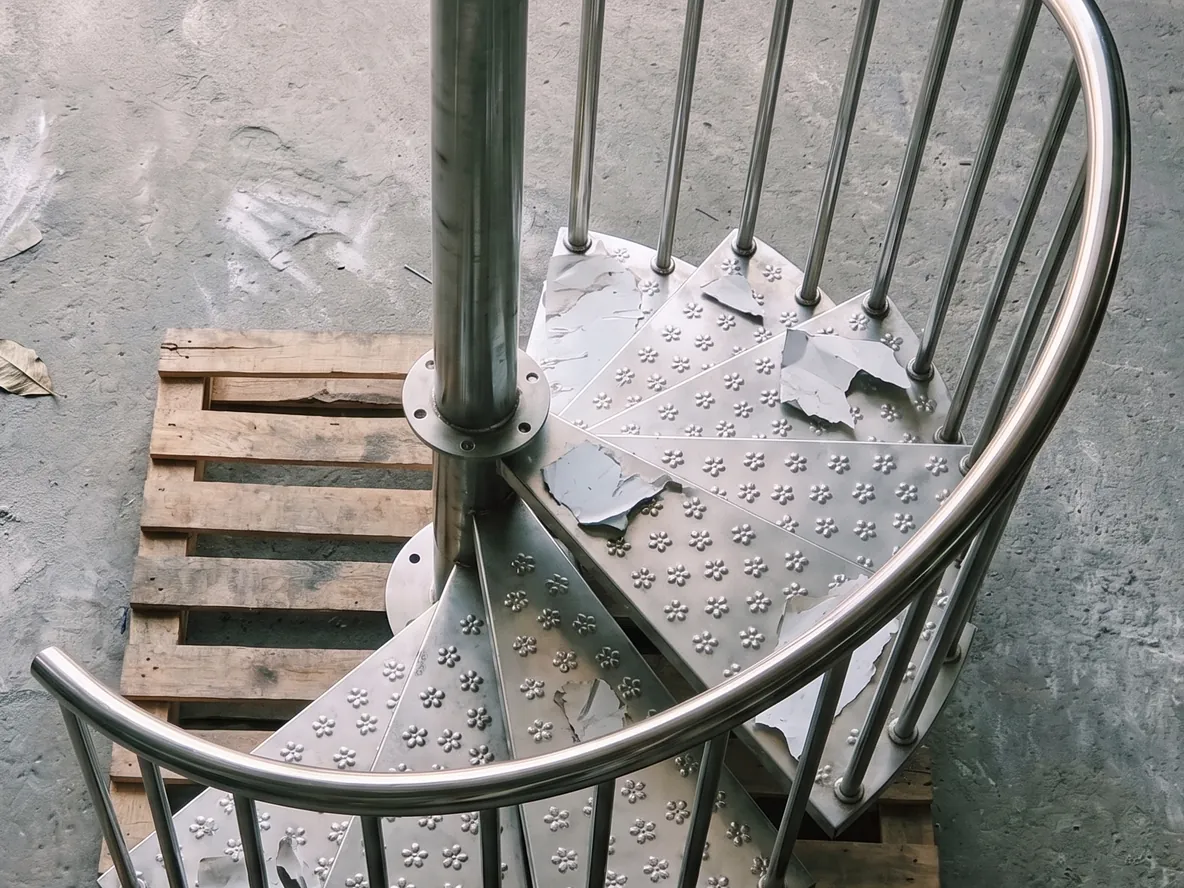
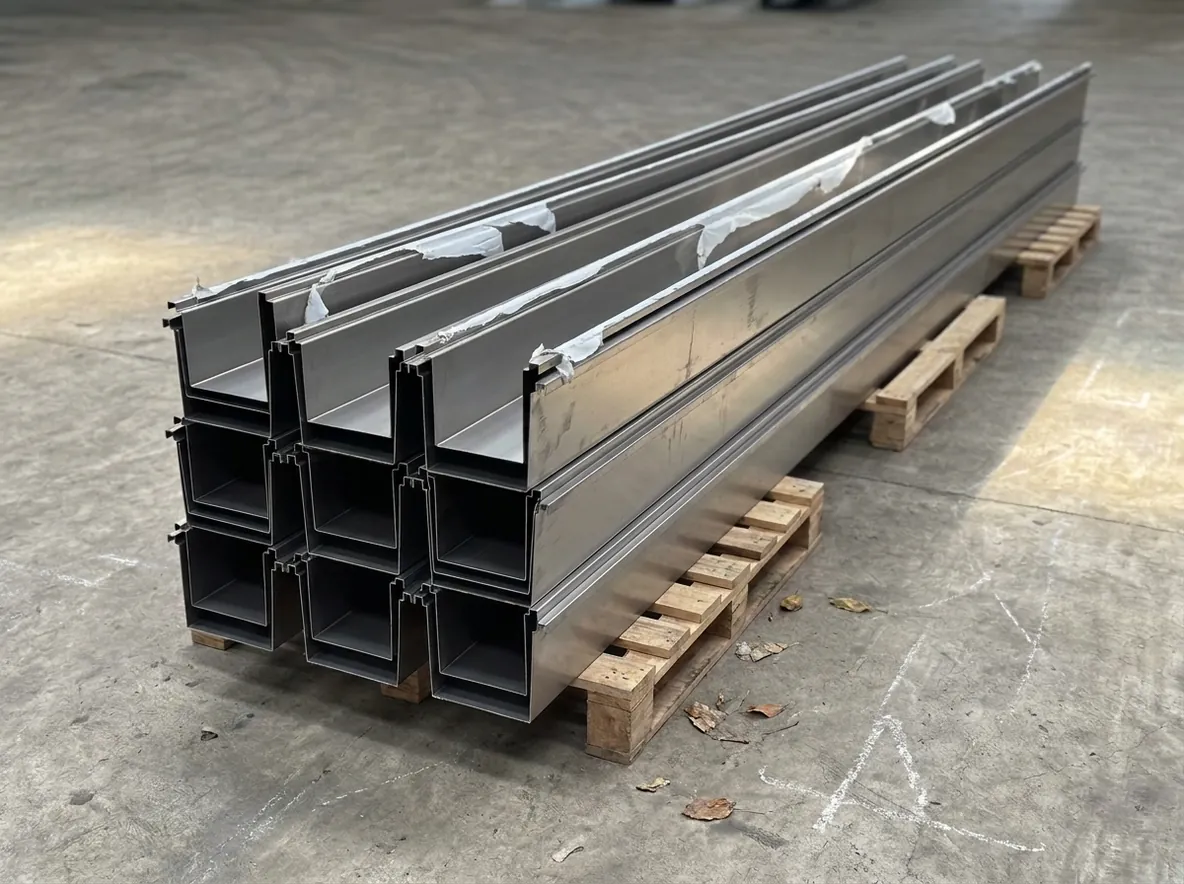
Fabricated weldments — vessels, frames, railings, hoppers and manifolds across food-grade, architectural, industrial and process work. Click any for full size.
Distortion-controlled — fixtured and back-stepped so assemblies come off flat and in tolerance.
Clean, dressed welds — ground and blended where they show; back-purged so stainless roots stay bright.
Leak-tight where it counts — tanks and pressure work dye-penetrant and leak-tested on request.
Welded from your model — send the assembly (STEP); we jig, tack and weld it to the drawing.
Products made with this process
Made in our shop to your size, with reference prices.
Frequently asked questions
Send the drawing with your question — fastest way to a real answer.
01 What materials and thicknesses do you weld?
Stainless, aluminium, steel and copper from 0.6 to 12 mm, by TIG and by 1.5 kW and 3 kW handheld laser welding.
02 TIG or laser welding: which should I choose?
TIG for clean welds and thin material, laser for precise seams with little distortion and for thicker sections. We choose the process for each part and state it in the quote.
03 Do you do sanitary stainless welding for food equipment?
Yes. Sanitary welds from 0.6 mm with argon back purging, so the root stays bright and free of oxidation. Welds are ground, cleaned up and passivated as specified.
04 Will welding distort the part?
Assemblies are fixtured square before welding and welded in balanced, back-stepped passes, so the finished part comes out flat and to size.
05 Do you leak-test welds?
Yes. Tanks and pressure assemblies get dye penetrant and leak testing on request, on top of the visual check every weld gets.
06 What should I send for a welding quote?
An assembly model as STEP or a fabrication drawing. We comment on the joints, torch access and fit-up before tacking, and quote within 24 hours.
07 Can you also cut, bend and coat the parts?
Yes. Parts are laser cut from sheet and tube, CNC bent and tube bent in the shop before welding. Powder coating is done at a partner plant, all on one order, with delivery nationwide.
The rest of the line
Got an assembly to join?We'll weld it.
Send the assembly model or a fabrication drawing — back in a priced quote, joints and finish confirmed.
