'/%3e%3crect%20x='-83'%20y='270'%20width='356'%20height='136'%20fill='%23FF6600'/%3e%3cpath%20d='M564%20260Q616%20260%20648.5%20277.0Q681%20294%20697.5%20311.5Q714%20329%20716%20333H724V270H895V800H724V737H716Q714%20741%20697.5%20759.0Q681%20777%20648.5%20793.5Q616%20810%20564%20810Q506%20810%20463.0%20786.5Q420%20763%20391.0%20723.5Q362%20684%20348.0%20635.0Q334%20586%20334%20535Q334%20484%20348.0%20435.0Q362%20386%20391.0%20346.5Q420%20307%20463.0%20283.5Q506%20260%20564%20260ZM618%20397Q581%20397%20556.0%20417.5Q531%20438%20519.0%20469.5Q507%20501%20507%20535Q507%20569%20519.0%20600.5Q531%20632%20556.0%20652.5Q581%20673%20618%20673Q655%20673%20679.5%20652.5Q704%20632%20716.5%20600.5Q729%20569%20729%20535Q729%20501%20716.5%20469.5Q704%20438%20679.5%20417.5Q655%20397%20618%20397Z'%20fill='%23FFFFFF'/%3e%3cpath%20d='M1329%20810Q1278%20810%201245.0%20793.0Q1212%20776%201196.0%20758.5Q1180%20741%201178%20737H1170V800H999V40H1170V333H1178Q1180%20329%201196.0%20311.0Q1212%20293%201245.0%20276.5Q1278%20260%201329%20260Q1388%20260%201431.0%20283.5Q1474%20307%201502.5%20346.5Q1531%20386%201545.5%20435.0Q1560%20484%201560%20535Q1560%20586%201545.5%20635.0Q1531%20684%201502.5%20723.5Q1474%20763%201431.0%20786.5Q1388%20810%201329%20810ZM1276%20673Q1313%20673%201338.0%20652.5Q1363%20632%201375.0%20600.5Q1387%20569%201387%20535Q1387%20501%201375.0%20469.5Q1363%20438%201338.0%20417.5Q1313%20397%201276%20397Q1239%20397%201214.0%20417.5Q1189%20438%201177.0%20469.5Q1165%20501%201165%20535Q1165%20569%201177.0%20600.5Q1189%20632%201214.0%20652.5Q1239%20673%201276%20673Z'%20fill='%23FFFFFF'/%3e%3cpath%20d='M1664%20800V270H1835V800Z'%20fill='%23FFFFFF'/%3e%3crect%20x='1664.0'%20y='40'%20width='171'%20height='171'%20fill='%23FF6600'/%3e%3cpath%20d='M1945%20800V270H2116V345H2121Q2131%20329%202148.5%20309.0Q2166%20289%202195.5%20274.5Q2225%20260%202269%20260Q2333%20260%202371.5%20289.0Q2410%20318%202427.0%20362.5Q2444%20407%202444%20454V800H2273V486Q2273%20452%202255.0%20425.5Q2237%20399%202196%20399Q2151%20399%202133.5%20428.5Q2116%20458%202116%20493V800Z'%20fill='%23FFFFFF'/%3e%3cpath%20d='M2792%20810Q2724%20810%202684.5%20789.0Q2645%20768%202627.0%20736.5Q2609%20705%202604.0%20672.5Q2599%20640%202599%20617V406H2511V270H2599V139H2770V270H2878V406H2770V612Q2770%20642%202786.5%20659.5Q2803%20677%202843%20677Q2860%20677%202873.0%20674.5Q2886%20672%202886%20672V800Q2886%20800%202857.5%20805.0Q2829%20810%202792%20810Z'%20fill='%23FFFFFF'/%3e%3cpath%20d='M3236%20810Q3165%20810%203113.0%20786.5Q3061%20763%203026.5%20723.5Q2992%20684%202975.5%20635.0Q2959%20586%202959%20534Q2959%20484%202975.0%20435.0Q2991%20386%203024.0%20346.5Q3057%20307%203108.5%20283.5Q3160%20260%203231%20260Q3307%20260%203364.5%20292.5Q3422%20325%203454.5%20387.5Q3487%20450%203487%20539V579H3131Q3134%20620%203160.5%20650.5Q3187%20681%203236%20681Q3273%20681%203292.5%20667.5Q3312%20654%203319.0%20640.0Q3326%20626%203326%20626H3483Q3483%20626%203478.0%20644.5Q3473%20663%203459.0%20690.5Q3445%20718%203418.0%20745.5Q3391%20773%203346.5%20791.5Q3302%20810%203236%20810ZM3130%20480H3323Q3321%20433%203294.5%20409.0Q3268%20385%203228%20385Q3189%20385%203161.5%20409.0Q3134%20433%203130%20480Z'%20fill='%23FFFFFF'/%3e%3cpath%20d='M3585%20800V40H3756V800Z'%20fill='%23FFFFFF'/%3e%3c/svg%3e)
Choosing sheet thickness: strength vs weight vs cost
Thicker is not stronger per dong. Where stiffness really comes from, why a fold beats a heavier gauge, and how to pick a thickness that holds up without paying for metal you don’t need.
Thicker isn’t stronger per dong
The instinct, when a part flexes, is to go up a gauge. Sometimes that’s right — but often it’s the most expensive way to fix it. Doubling the thickness roughly doubles the weight and the material cost, while the stiffness it buys is modest. There’s usually a cheaper lever, and it’s in the shape of the part, not the thickness of the metal.
Stiffness comes from form
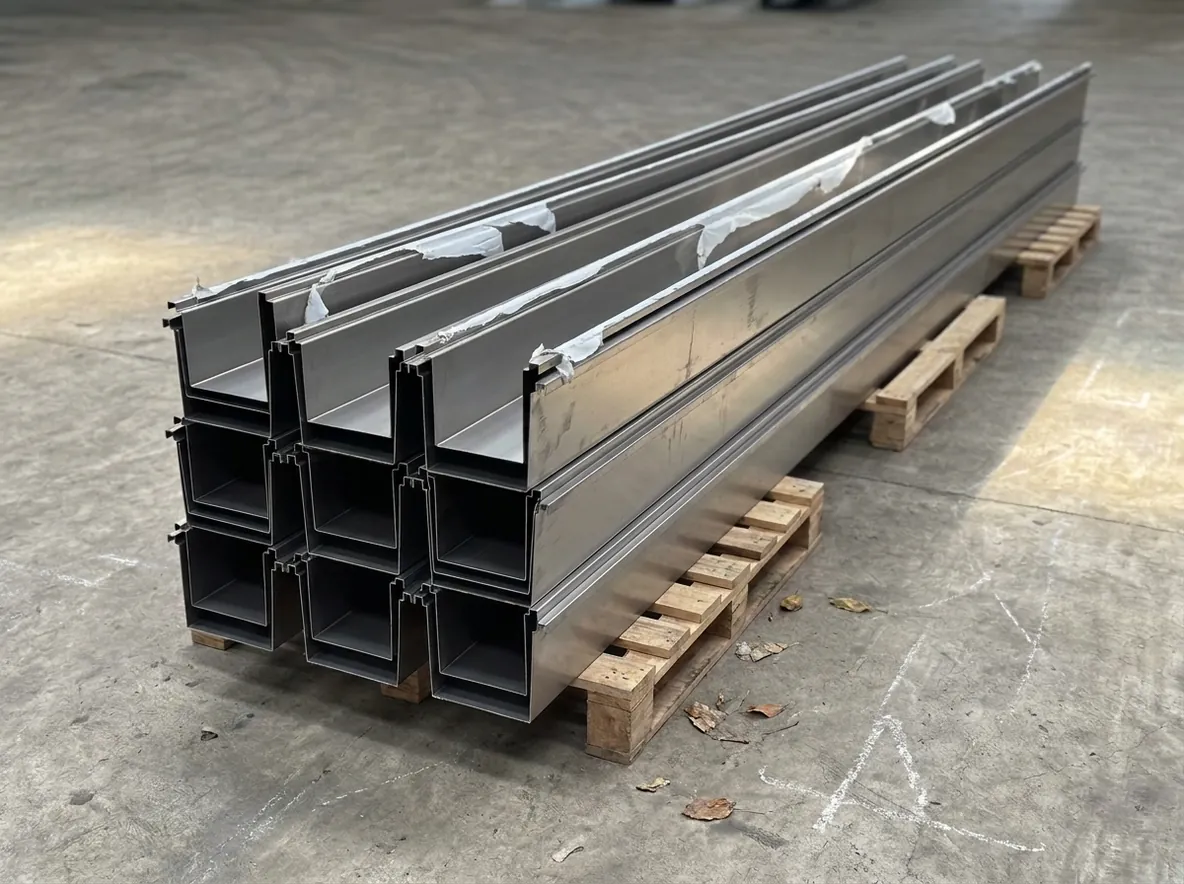
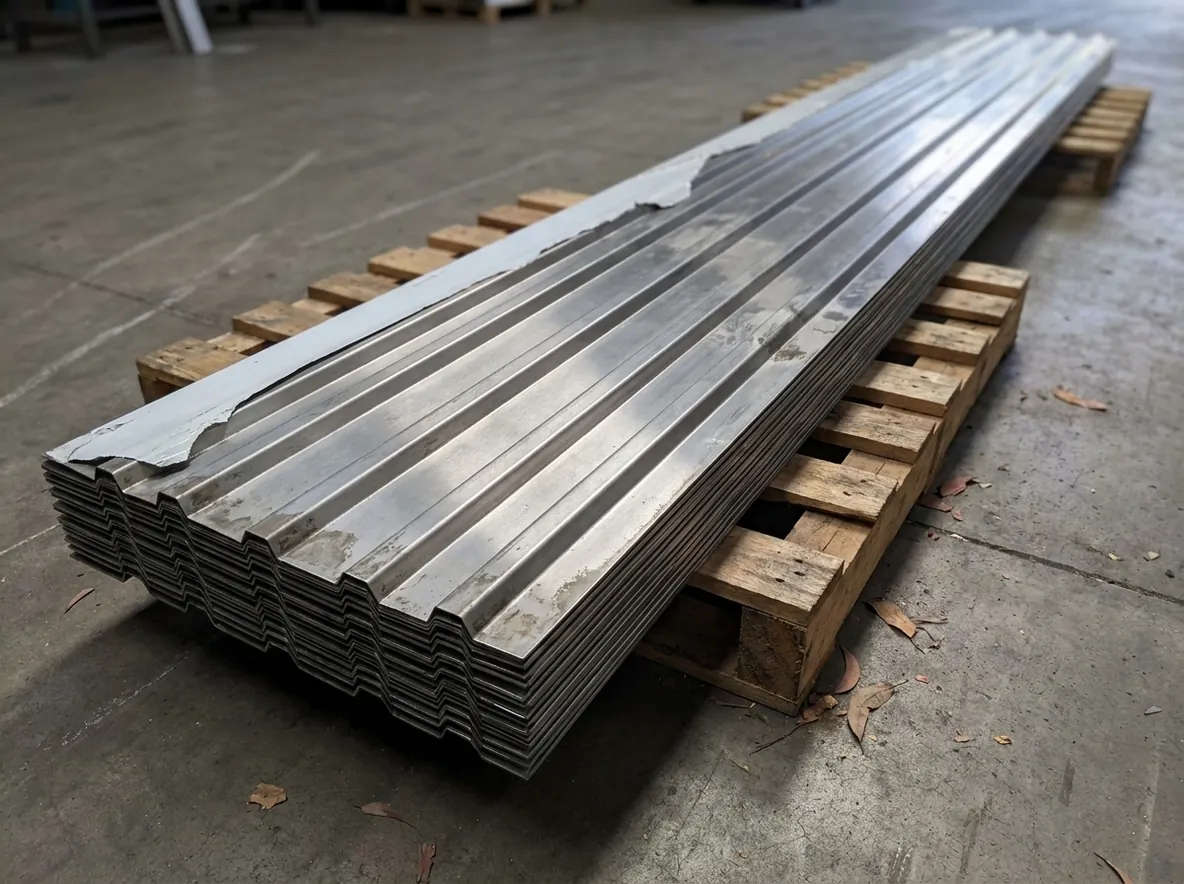
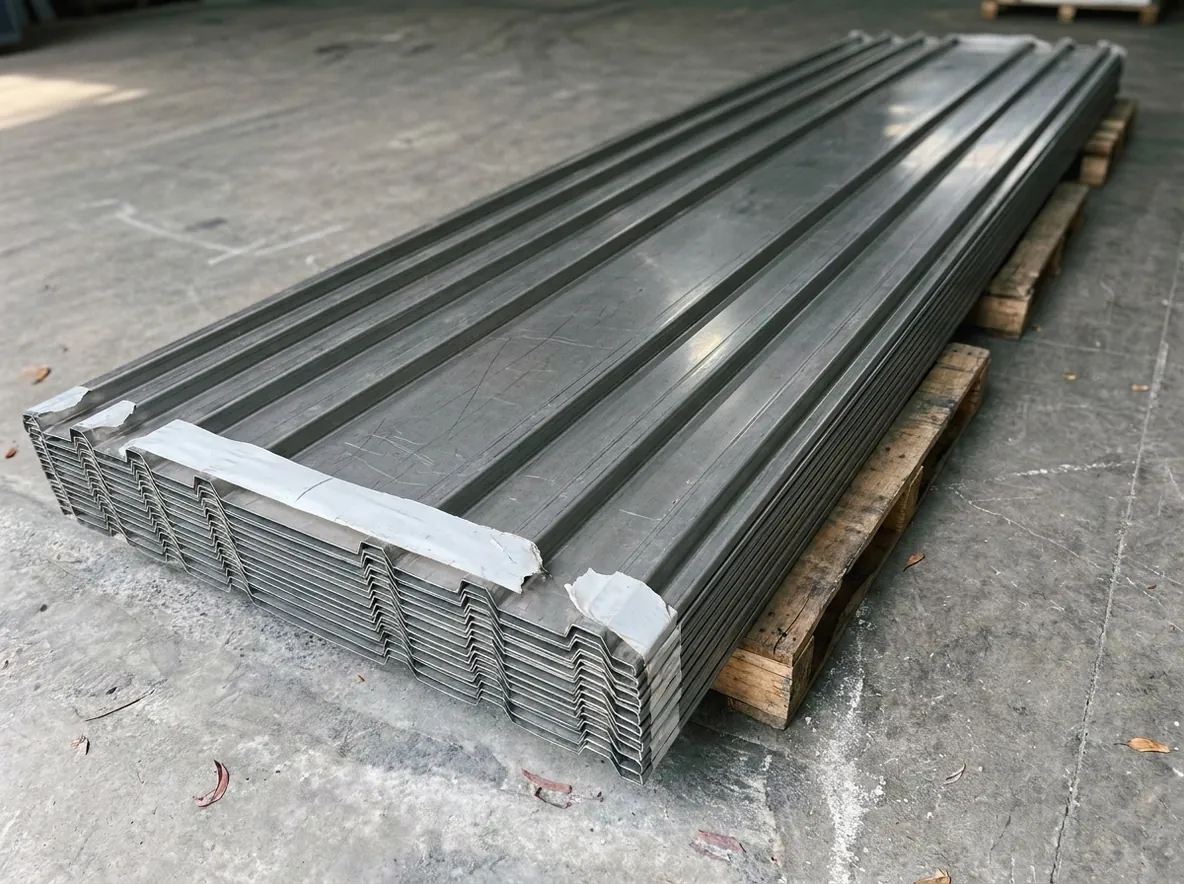
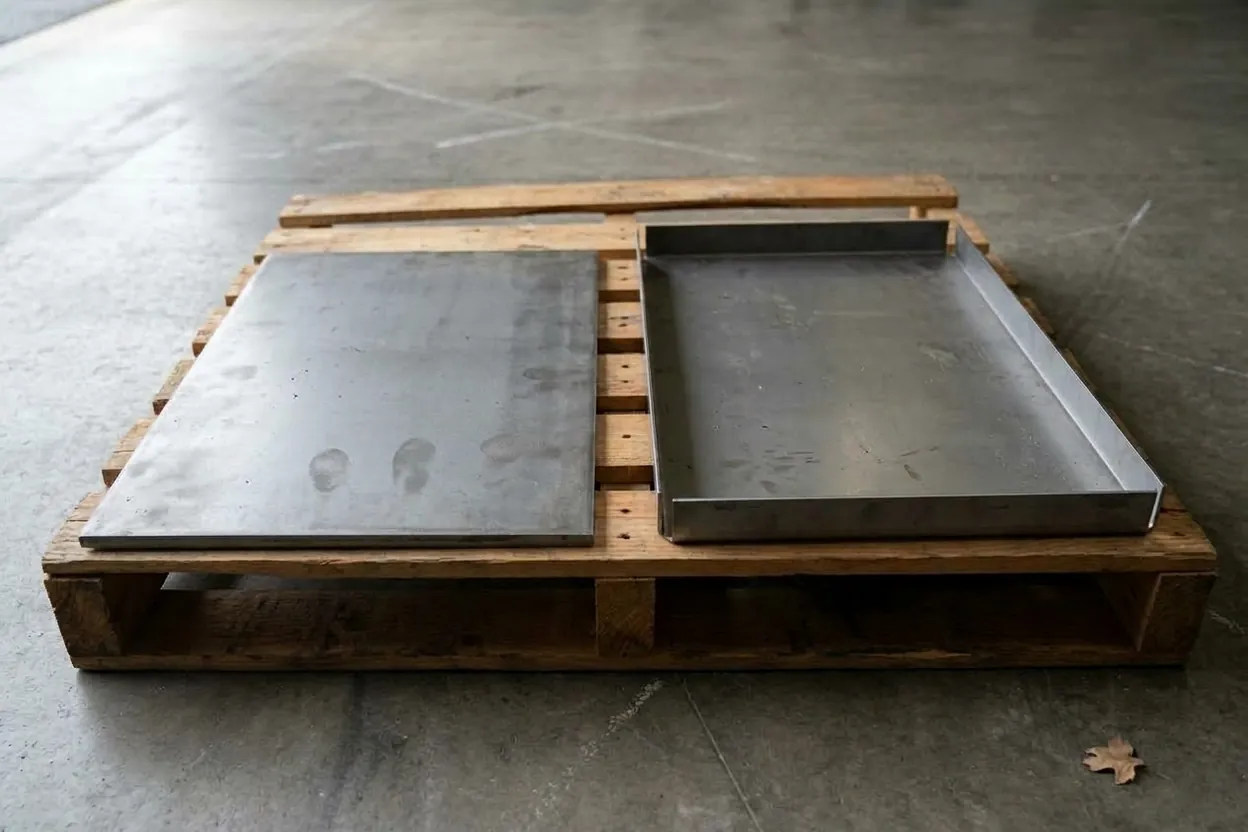
A flat sheet is floppy; the same sheet with a folded lip, a swage line or a couple of ribs is transformed. That’s because bending stiffness grows with the depth of a section far faster than with its thickness — a small fold puts material where it does the most good. A 1.5 mm panel with a 15 mm return can easily out-stiffen a flat 3 mm one, at half the weight and less cost.
Weight and cost track thickness
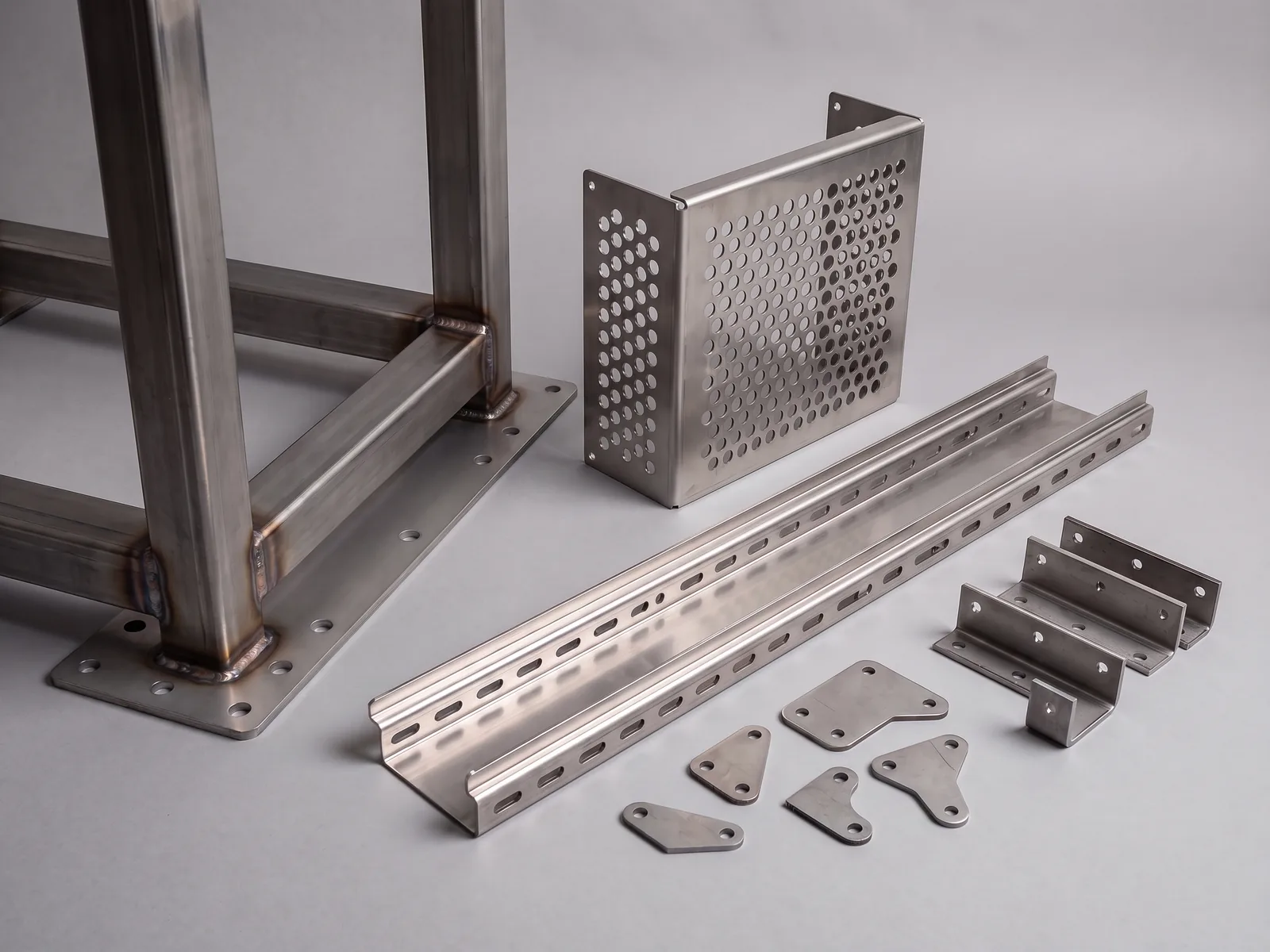
Where thickness does earn its keep is anywhere the metal itself takes the load or the wear — a bracket carrying real force, a base plate that’s bolted down hard, an edge that gets knocked. There, gauge is the answer. Elsewhere, remember that both the weight you ship and the material you buy climb with every step up in thickness.
| TYPICAL USE | STEEL GAUGE | WHY |
|---|---|---|
| Light enclosures, covers | 1.0 – 1.5 mm | Folds do the stiffening |
| General brackets, panels | 1.5 – 3 mm | Balance of strength and weight |
| Structural, load-bearing | 3 – 6 mm | Metal carries the load |
| Base plates, heavy mounts | 6 – 20 mm | Stiffness and thread depth |
Rough starting points, not rules — the right gauge depends on the load, the spans and the finish. Send the part and we’ll advise.
Send the load, not the gauge
The most useful thing you can tell us isn’t a thickness — it’s what the part has to do: what it carries, how it’s fixed, whether it can flex. Give us that and we’ll often find a lighter, cheaper answer than the gauge you had in mind, by putting a fold where it counts instead of metal where it doesn’t.
Not sure what gauge you need? Send us the load and the part, not a thickness — we’ll pick a gauge, and often save you money by folding in stiffness instead of buying it.