'/%3e%3crect%20x='-83'%20y='270'%20width='356'%20height='136'%20fill='%23FF6600'/%3e%3cpath%20d='M564%20260Q616%20260%20648.5%20277.0Q681%20294%20697.5%20311.5Q714%20329%20716%20333H724V270H895V800H724V737H716Q714%20741%20697.5%20759.0Q681%20777%20648.5%20793.5Q616%20810%20564%20810Q506%20810%20463.0%20786.5Q420%20763%20391.0%20723.5Q362%20684%20348.0%20635.0Q334%20586%20334%20535Q334%20484%20348.0%20435.0Q362%20386%20391.0%20346.5Q420%20307%20463.0%20283.5Q506%20260%20564%20260ZM618%20397Q581%20397%20556.0%20417.5Q531%20438%20519.0%20469.5Q507%20501%20507%20535Q507%20569%20519.0%20600.5Q531%20632%20556.0%20652.5Q581%20673%20618%20673Q655%20673%20679.5%20652.5Q704%20632%20716.5%20600.5Q729%20569%20729%20535Q729%20501%20716.5%20469.5Q704%20438%20679.5%20417.5Q655%20397%20618%20397Z'%20fill='%23FFFFFF'/%3e%3cpath%20d='M1329%20810Q1278%20810%201245.0%20793.0Q1212%20776%201196.0%20758.5Q1180%20741%201178%20737H1170V800H999V40H1170V333H1178Q1180%20329%201196.0%20311.0Q1212%20293%201245.0%20276.5Q1278%20260%201329%20260Q1388%20260%201431.0%20283.5Q1474%20307%201502.5%20346.5Q1531%20386%201545.5%20435.0Q1560%20484%201560%20535Q1560%20586%201545.5%20635.0Q1531%20684%201502.5%20723.5Q1474%20763%201431.0%20786.5Q1388%20810%201329%20810ZM1276%20673Q1313%20673%201338.0%20652.5Q1363%20632%201375.0%20600.5Q1387%20569%201387%20535Q1387%20501%201375.0%20469.5Q1363%20438%201338.0%20417.5Q1313%20397%201276%20397Q1239%20397%201214.0%20417.5Q1189%20438%201177.0%20469.5Q1165%20501%201165%20535Q1165%20569%201177.0%20600.5Q1189%20632%201214.0%20652.5Q1239%20673%201276%20673Z'%20fill='%23FFFFFF'/%3e%3cpath%20d='M1664%20800V270H1835V800Z'%20fill='%23FFFFFF'/%3e%3crect%20x='1664.0'%20y='40'%20width='171'%20height='171'%20fill='%23FF6600'/%3e%3cpath%20d='M1945%20800V270H2116V345H2121Q2131%20329%202148.5%20309.0Q2166%20289%202195.5%20274.5Q2225%20260%202269%20260Q2333%20260%202371.5%20289.0Q2410%20318%202427.0%20362.5Q2444%20407%202444%20454V800H2273V486Q2273%20452%202255.0%20425.5Q2237%20399%202196%20399Q2151%20399%202133.5%20428.5Q2116%20458%202116%20493V800Z'%20fill='%23FFFFFF'/%3e%3cpath%20d='M2792%20810Q2724%20810%202684.5%20789.0Q2645%20768%202627.0%20736.5Q2609%20705%202604.0%20672.5Q2599%20640%202599%20617V406H2511V270H2599V139H2770V270H2878V406H2770V612Q2770%20642%202786.5%20659.5Q2803%20677%202843%20677Q2860%20677%202873.0%20674.5Q2886%20672%202886%20672V800Q2886%20800%202857.5%20805.0Q2829%20810%202792%20810Z'%20fill='%23FFFFFF'/%3e%3cpath%20d='M3236%20810Q3165%20810%203113.0%20786.5Q3061%20763%203026.5%20723.5Q2992%20684%202975.5%20635.0Q2959%20586%202959%20534Q2959%20484%202975.0%20435.0Q2991%20386%203024.0%20346.5Q3057%20307%203108.5%20283.5Q3160%20260%203231%20260Q3307%20260%203364.5%20292.5Q3422%20325%203454.5%20387.5Q3487%20450%203487%20539V579H3131Q3134%20620%203160.5%20650.5Q3187%20681%203236%20681Q3273%20681%203292.5%20667.5Q3312%20654%203319.0%20640.0Q3326%20626%203326%20626H3483Q3483%20626%203478.0%20644.5Q3473%20663%203459.0%20690.5Q3445%20718%203418.0%20745.5Q3391%20773%203346.5%20791.5Q3302%20810%203236%20810ZM3130%20480H3323Q3321%20433%203294.5%20409.0Q3268%20385%203228%20385Q3189%20385%203161.5%20409.0Q3134%20433%203130%20480Z'%20fill='%23FFFFFF'/%3e%3cpath%20d='M3585%20800V40H3756V800Z'%20fill='%23FFFFFF'/%3e%3c/svg%3e)
Hems, jogs and safety edges: finishing an exposed sheet edge
A laser-cut edge is clean but sharp. How a folded hem takes the edge off, stiffens the part and hides the raw metal — plus the jogs that let panels overlap flush.
A clean edge is still a sharp edge
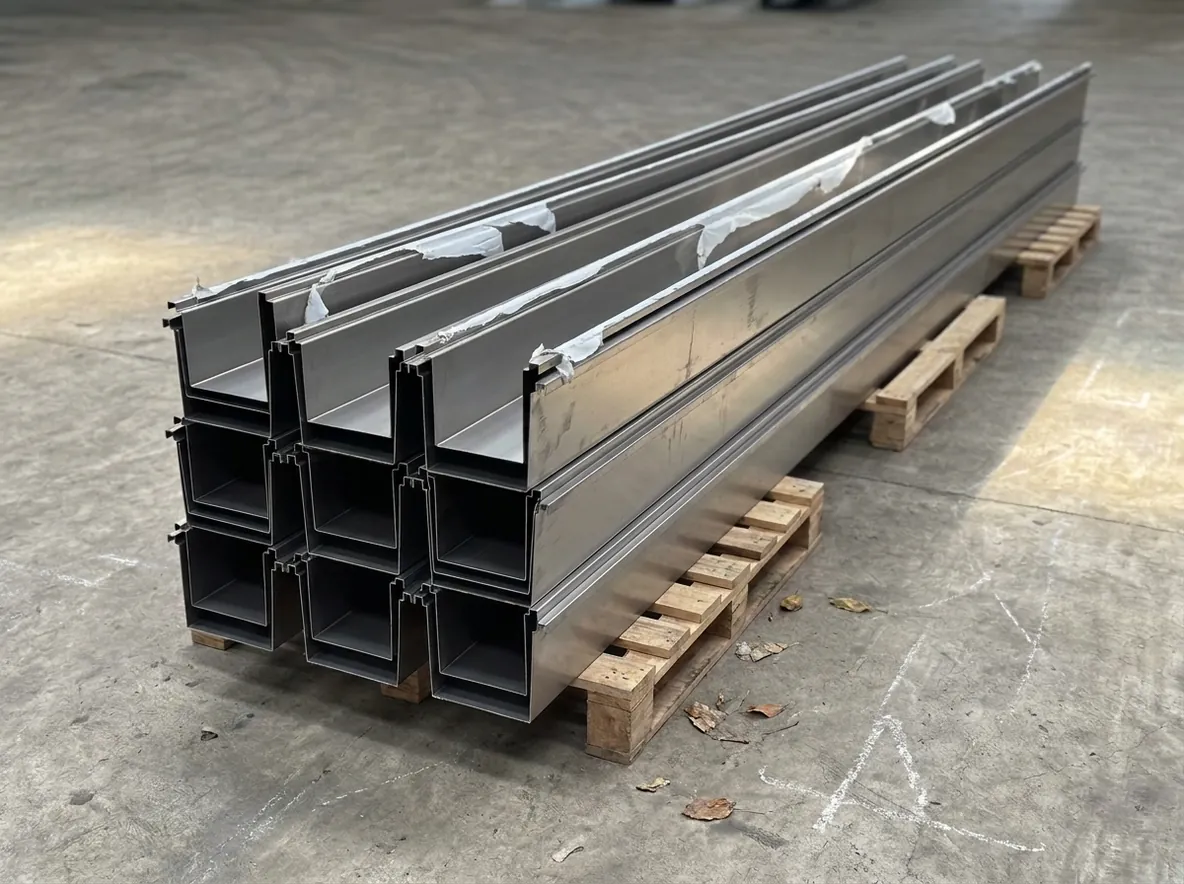
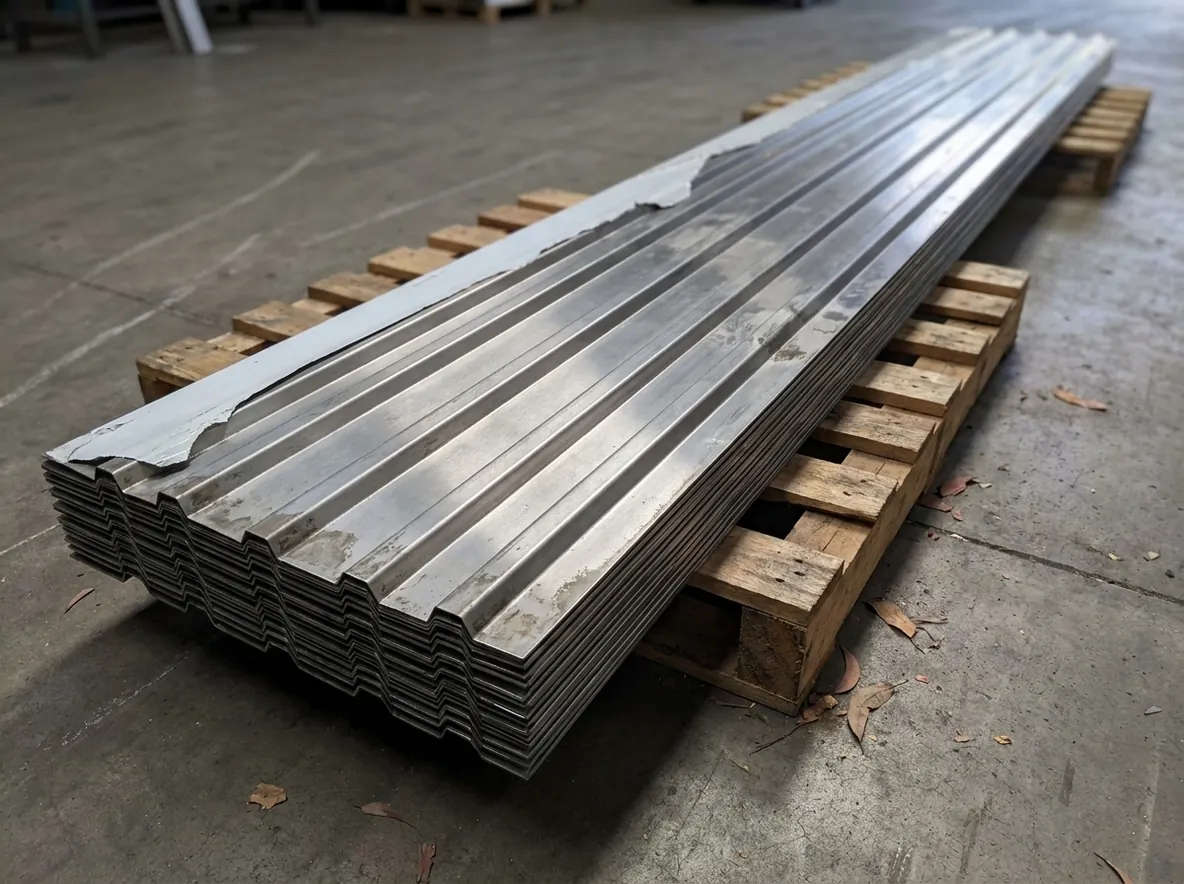
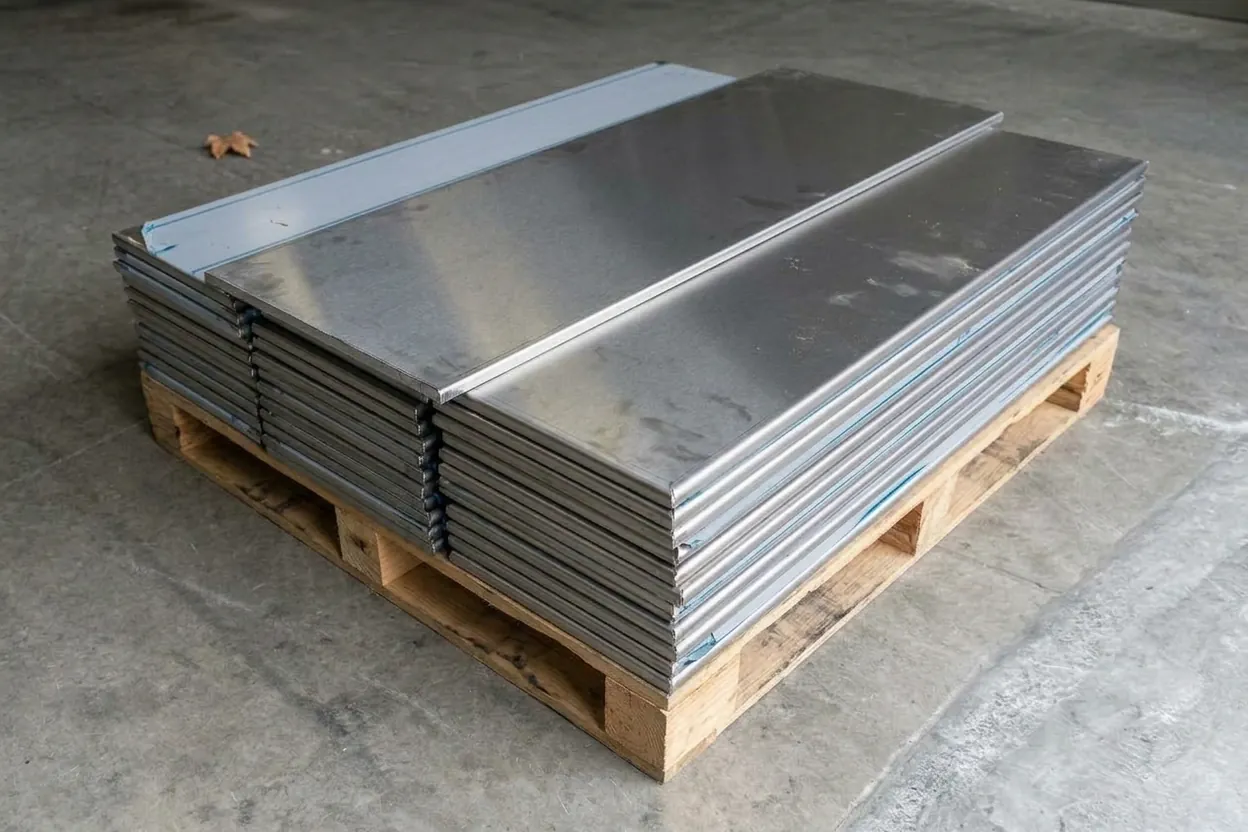
A fiber laser leaves a crisp, square edge — and square metal is sharp. On anything a person picks up, leans on or reaches into, that edge is a snag and a cut waiting to happen. A hem folds the edge back on itself, so the exposed face becomes a rounded fold instead of a raw cut. It does three jobs at once: takes the edge off, stiffens the panel, and hides the cut face.
Open or closed
A closed (flat) hem folds the edge fully back against the panel — the neatest, but it works the metal hard and can crack on thicker or less ductile material. An open (teardrop) hem leaves a small rounded gap at the fold; it’s gentler on the material and the usual choice on anything but thin, soft sheet. A rolled or safety edge curls the edge into a tube for the most rounded, snag-free finish.
| EDGE | LOOK | GOOD FOR |
|---|---|---|
| Closed hem | Flat, tidy | Thin, ductile sheet |
| Open / teardrop hem | Small rounded gap | The everyday default |
| Rolled / safety edge | Curled tube | Handled edges, guards |
Thicker or springy material (stainless, 6061) leans toward open or rolled — a closed hem may crack.
Give the hem enough to grip
The folded-back leg has to be long enough for the brake to form it — too short and there’s nothing to hold. As a safe minimum, keep the return at least about four times the material thickness. It’s the same idea as a minimum flange: the tool needs something to work with.
Jogs let panels overlap flush
A jog (or joggle) is a small double-bend that steps a panel by roughly its own thickness, so a lapping panel can sit flush instead of proud. It’s how two overlapping covers finish level, or how a lid drops into a rebate. Cheap to add, and it turns a stepped, catchy joint into a clean continuous surface.
Part gets handled?